STEM to STEAM journey : notes from Vienna
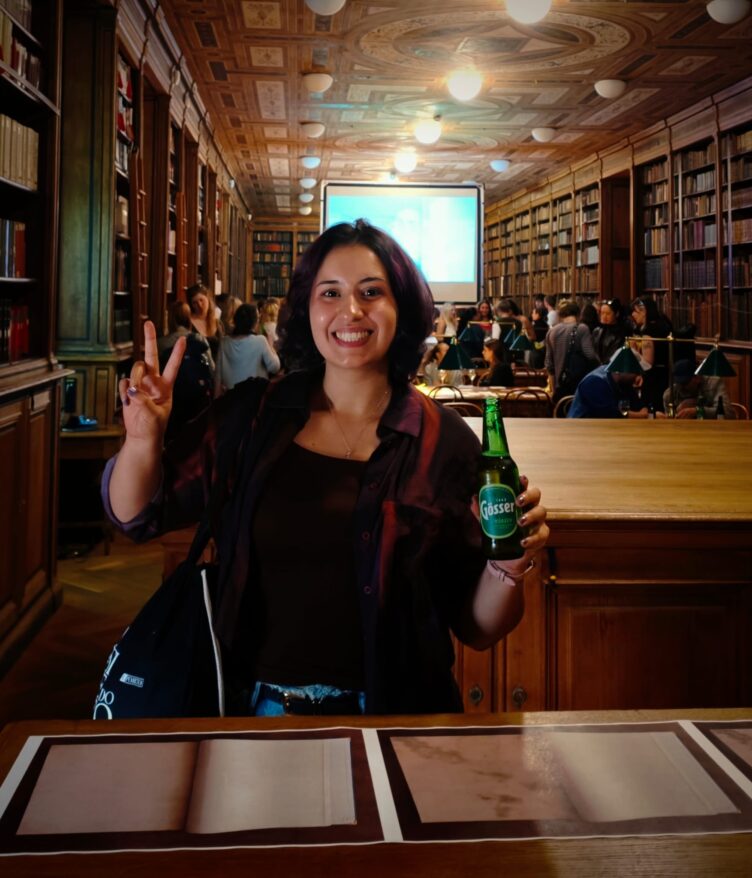
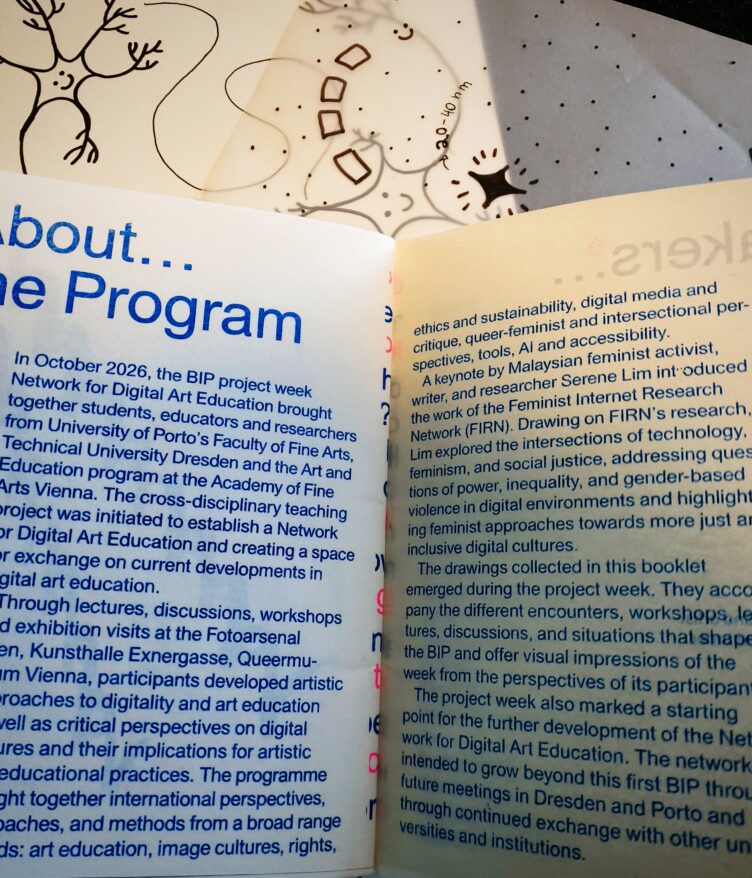
In October I spent a week in Vienna as part of the Blended Intensive Programme (BIP) “Network for Digital Art Education”, fully funded by Erasmus+. It brought together students and faculty from the Academy of Fine Arts Vienna, TU Dresden and FBAUP to think about artistic mediation in the digital age. The in-person days ran from 5 to 9 October, and two online sessions followed on the 21st and 28th.
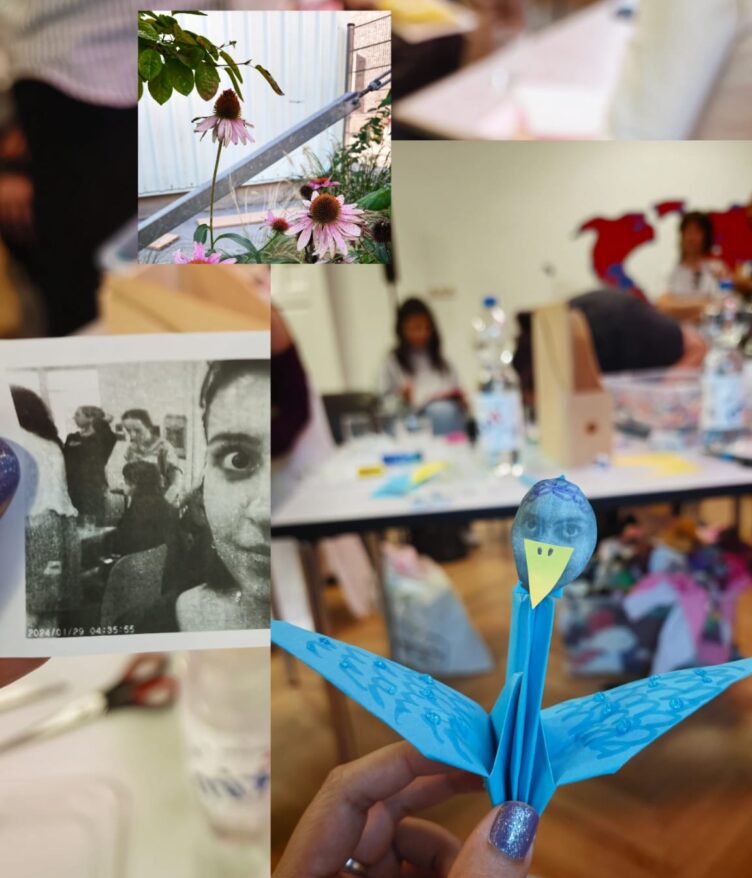
Before travelling, each of us had been asked to choose a digital souvenir, and we started Monday with them. After a brunch, we took part in a meet-and-greet workshop, What about Gegenwart? (“Gegenwart” is German for “present” or “contemporary”), which was a great way to start getting to know each other and to build the network. My souvenir was a postage stamp. I layered an image of mycelium, the underground network of fungi, over pollinating insects, to stand for networks and for ideas passed between people who build something together. Where the price would be, I wrote time: the week we were about to spend together. That evening, Serene Lim’s keynote on the Feminist Internet Research Network gave me an idea I kept coming back to all week: technology is not neutral, and the people who design it shape who gets to use it.
On Tuesday we left the seminar room for the city. At Foto Arsenal Wien, Zanele Muholi’s We Are Here puts the visibility of Black LGBTQIA+ communities in South Africa at the centre. After lunch in the courtyard of WUK, we went to Kunsthalle Exnergasse, at the same address, for On Chewing Shoelaces: Art, Mess and Radical Kinship, which asked what kinds of belonging exist beyond the family we are born into, a theme that moved me in particular. The day ended at the Queer Museum Vienna.
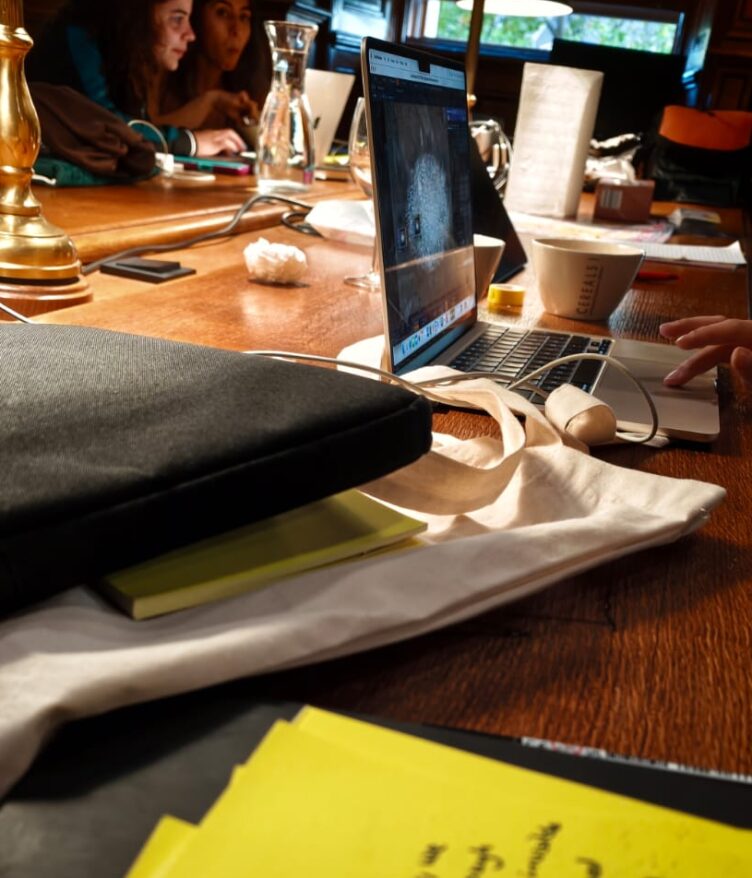
Wednesday and Thursday were for group work. By then, my group was deeply affected by the previous days, and by the conversations that happened around the edges of the programme. We wanted to engage with them more, so we took that question back to the university: how could we talk about the absence of Black people there, and about what produces it? We were in a programme about artistic mediation, a field that often talks about inclusion, and the conversations that week kept returning to who is, and is not, in the room. That made us uncomfortable, and the discomfort was not about this programme in particular. It is a pattern in how institutions of all kinds, universities, museums and funding schemes among them, discuss subjects like these. Numbers, access and policies matter, and they were where we started, but they describe the result without explaining it. We also had only two days. Racism, colonialism, inclusion and immigration are heavy subjects, and they ask for a depth of time and respect that two days could not give. A rushed treatment would have been its own kind of disrespect. So we did not try to cover the subject. We made the distance between us and the subject the subject itself. The project became a record of how we thought our way there: the question changed from “who is missing?” to “what, without anyone noticing, holds this system in place?” We reached many different points, but we focused on the ordinary ones, and that is exactly what makes them hard to see: having someone at home who had already been to university, finding yourself in the books, not being followed in a shop. Some people never meet these obstacles and have no reason to notice them. Others meet them every day. That is what privilege is: not a visible advantage, but the absence of obstacles that someone else is facing. That is the path we decided to follow.
To think about this, we borrowed an image from mycology, inspired by Anna Tsing’s The Mushroom at the End of the World (2015), which follows fungi to understand how life persists in precarious conditions. A mushroom is only the fruiting body, the part that shows above ground. The organism itself is the mycelium, the network of fine filaments underneath. The visible absence was our mushroom, and the mycelium was everything beneath it: expectations, words, schedules, glances. None of them looks like racism on its own, but connected they form a network that holds the absence in place. Philomena Essed calls this everyday racism: racism built into routine situations through familiar, repeated practices (Essed, 1991).
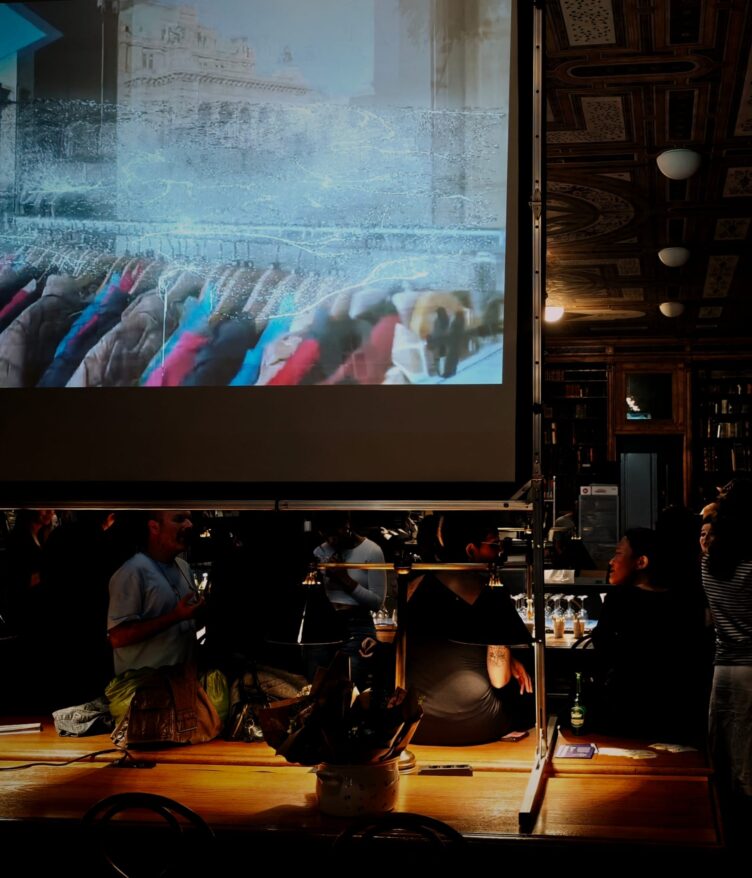
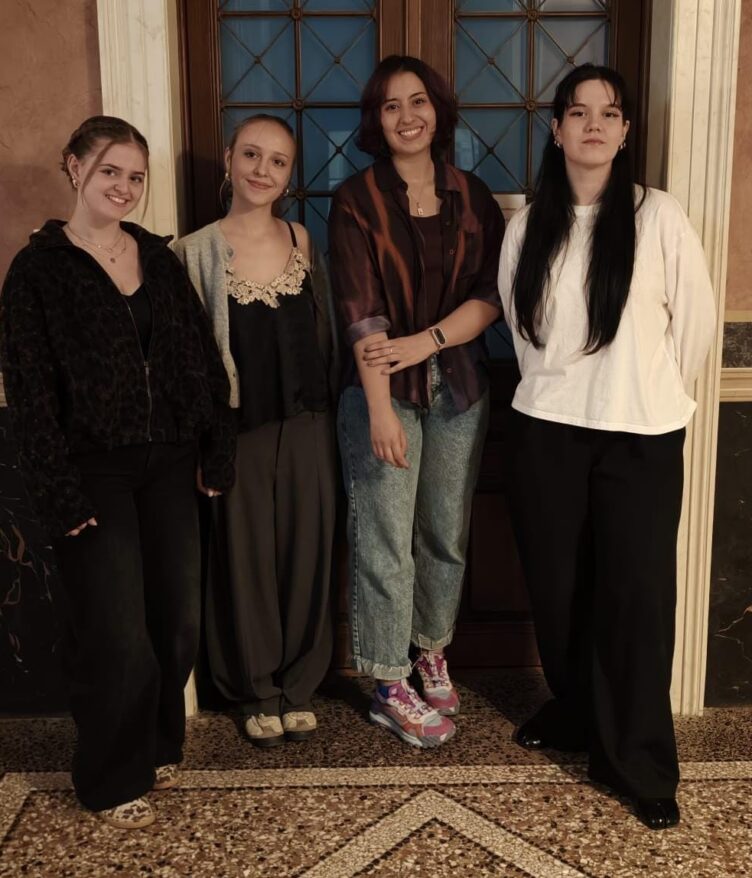
My project group (Julia Schell, Natalie Reichelt, Jana Koch and Natasha Ortolan) made a video of ordinary scenes, such as someone entering a shop, being served or sitting down in a room. Across them, a mycelium slowly grows, responding to our voices as we read aloud the text we wrote together. The soundtrack comes from a PlantWave, a device that attaches two small electrodes to a plant or mushroom, picks up tiny variations in its electrical conductance and translates them into musical notes. What you hear is a sonification of those signals. We built the video in TouchDesigner.
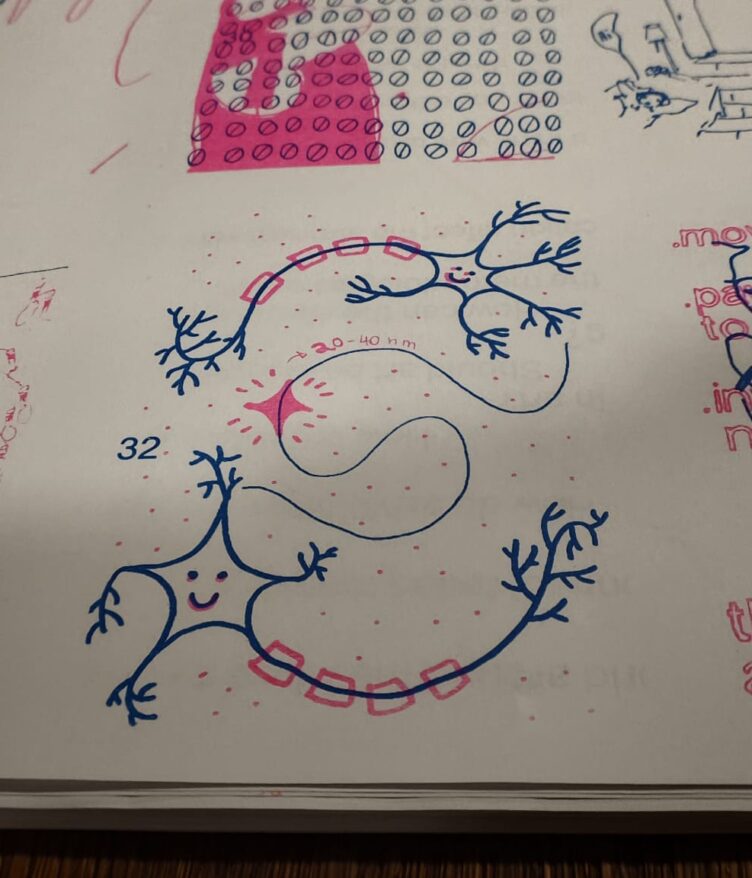
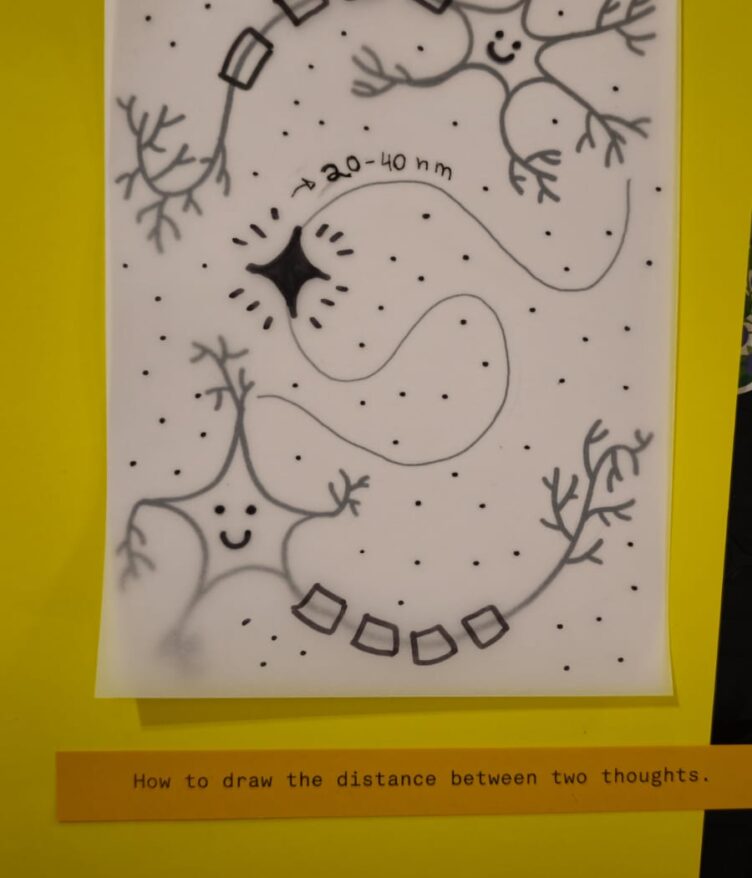
On Thursday afternoon we set up the exhibition in the Academy’s University Library, and at seven in the evening we opened it with drinks and snacks, followed by the final presentation. Among the works was a risograph zine made by another group. Each Erasmus participant received a prompt and illustrated it in two colours, so the zine became a collective piece with as many hands as there were people in the programme. It was an incredible experience to see the library turn into a setting for so many remarkable works.
Less than two weeks after Vienna, we met again on Zoom. On 21 October, Filipa Sofia Correia Carvalho e Cruz and Tiago Barbedo Assis spoke about ecological artistic practices and archives for research and arts education. They offered fresh perspectives and subtle readings of works that engage with stone, soil, roots, pigments and atmospheric traces, and asked how such materials can act as ecological witnesses when knowledge is increasingly mediated by data. This is also a theme I work on, in my own way, in my thesis, and it was very rewarding to see so much work in this field. A week later, on 28 October, Christin Lübke of TU Dresden, with Isabell Baldermann and Kevin Ernst, asked what it means to learn from one another in arts education. Their answer was that collaborative learning is neither predictable nor free of conflict, and that its potential lies in openness, friction and encounter. After a week of making something together in Vienna, it felt like a fitting way to close the programme.
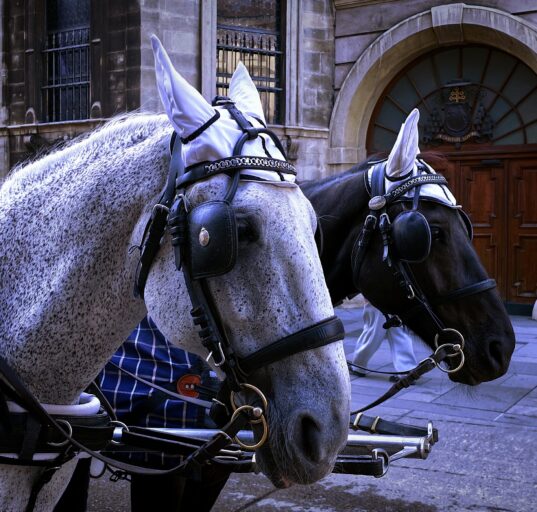
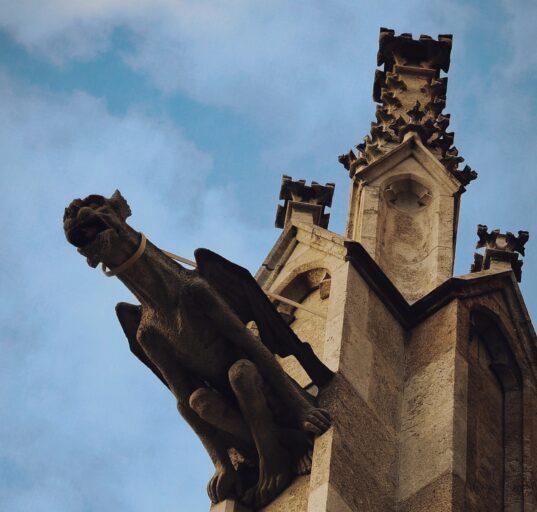
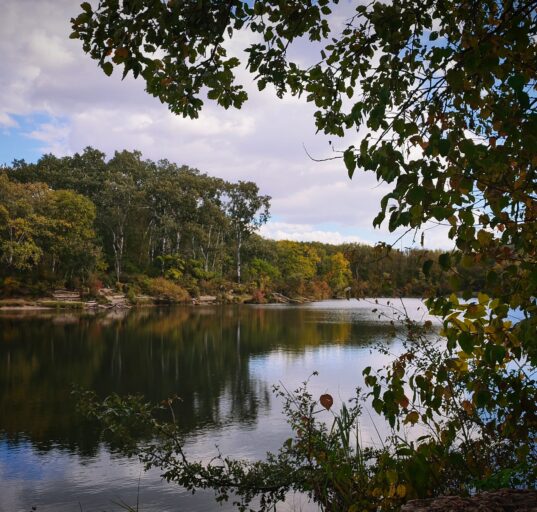

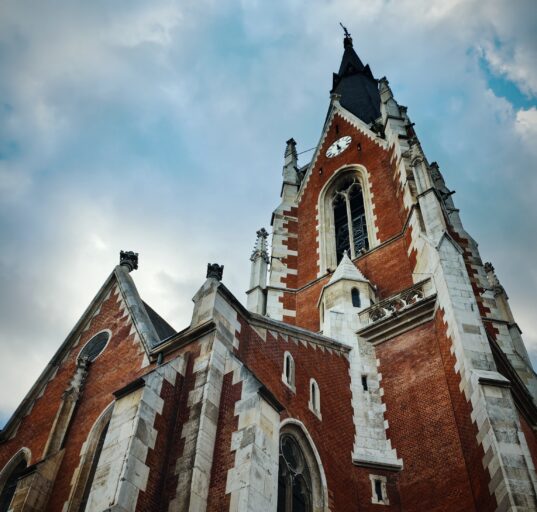
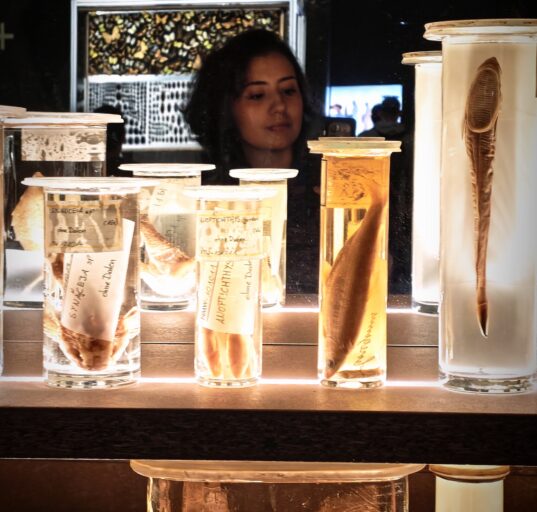
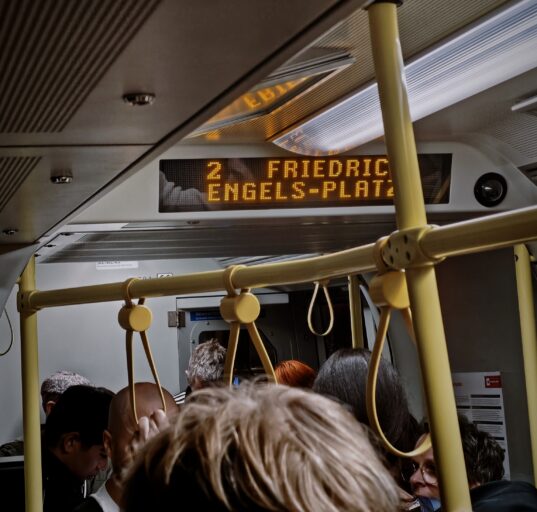
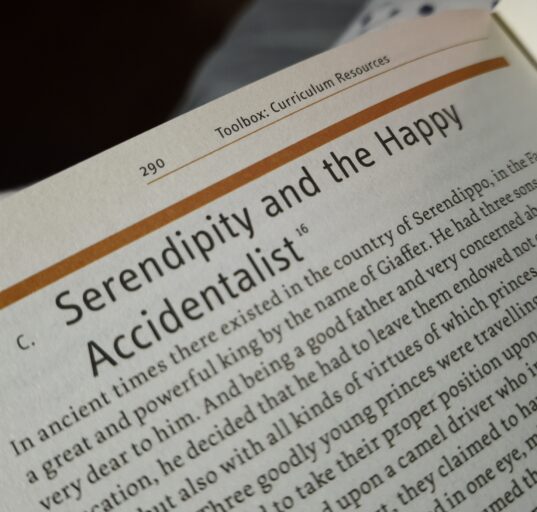
This trip was a lot of firsts at once. It was my first time travelling alone, and my first trip for work. Some of that was nerves. Most of it, I realised, was a quiet kind of pride.
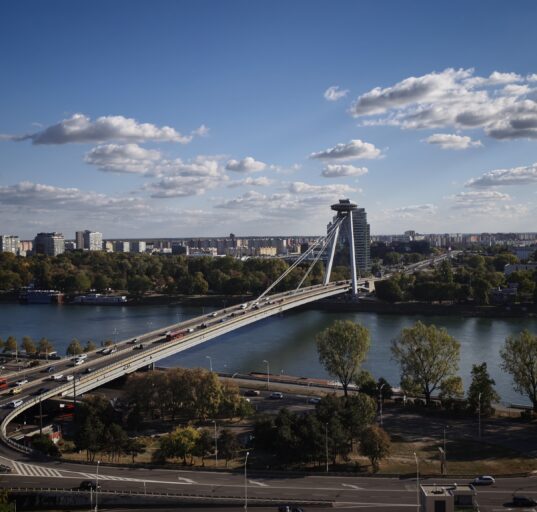
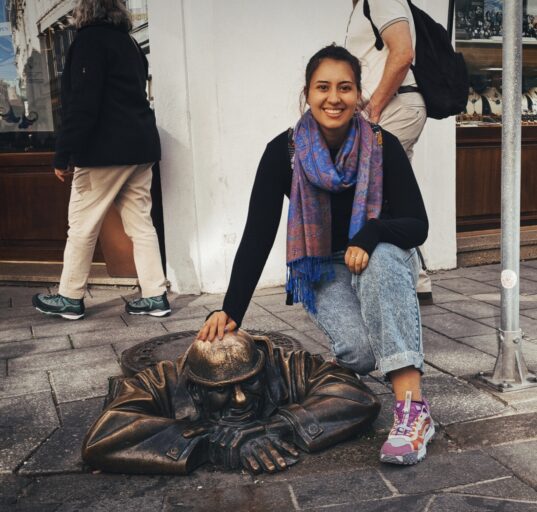
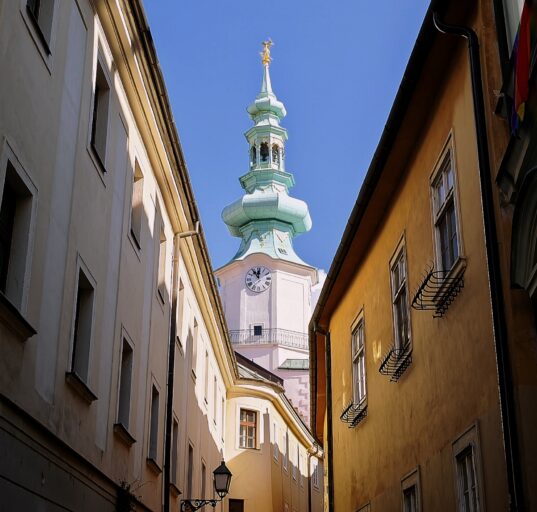
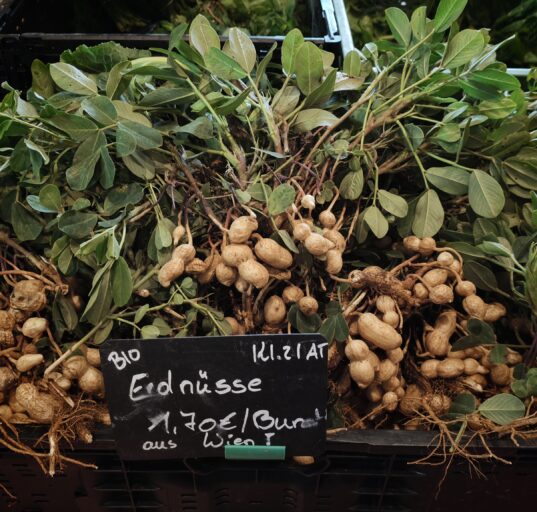
The days belonged to the programme, but the gaps belonged to me. I walked through the Naschmarkt, Vienna’s best-known market, and tasted whatever looked unfamiliar. I took a short trip to Bratislava, just over the border, and ate local food there too. Eating is how I get to know a place. A market tells you what people grow, what they trade and what they consider ordinary, and I trained as an agronomist, so it is hard for me not to read it that way.
Travelling alone changed how I paid attention. With no one to talk to, I looked longer, listened more and noticed how much of a city is made of small decisions: what is sold at the corner, what is written on the sign, who is at the table next to you.
I came home with a better sense of what I can do on my own, and with a lot of gratitude: to the institutions that made this possible, to everyone who organised and took part in the week, and to education, which opened a door onto a reality that was not ordinary where I come from. I try not to forget that doors are held open by someone, and I would like to help hold that door open for whoever comes next.
Essed, P. (1991). Understanding Everyday Racism: An Interdisciplinary Theory. Sage Publications.
Tsing, A. L. (2015). The Mushroom at the End of the World: On the Possibility of Life in Capitalist Ruins. Princeton University Press.